Nanjing Chemical Material Corp.

Phospholipids were first discovered in the human brain by Uauquelin in 1812, isolated from egg yolks by Gobley in 1844, and named Lecithin in 1850 after the Greek word lekithos (egg yolk). In 1920, soy lecithin was discovered as a byproduct of soybean oil processing, and the first industrial lecithin was launched in Germany in 1925.
From a scientific definition perspective, lecithin is commonly known as phosphatidylcholine (PC). However, from a commercial perspective, lecithin is a complex mixture consisting mainly of polar and non-polar lipids. Polar lipids are mainly phospholipids and glycolipids, while non-polar lipids are mainly free fatty acids and cholesterol.
Phospholipids are widely distributed in many plants and animals, and foods rich in phospholipids mainly include soybeans, egg yolks, and animal organs. Phospholipids can be divided into plant-based phospholipids and animal-based phospholipids according to their sources. Currently, commercially available plant-based phospholipids include soybean phospholipids (soya lecithin), sunflower seed phospholipids, and rapeseed phospholipids, while animal-based phospholipids include egg yolk phospholipids (egg yolk lecithin). Among animal-based phospholipids, egg yolk contains the richest amount of phospholipids. Among plant-based phospholipids, soybeans have the highest phospholipid content.
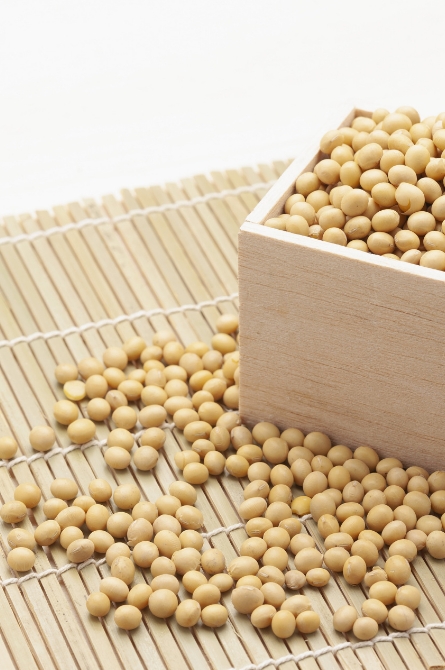
1) Composition of Soybean Phospholipids (Soya Lecithin)
Soybeans contain 0.3%~0.6% phospholipids. Soybean phospholipid is a by-product of soybean oil processing. It is obtained by hydration, centrifugal separation, drying and other processes of soybean oil residue. It mainly contains PC, PE, and PI. The specific composition is shown in the following table.
Composition | Mass Fraction Range (%) | ||
Low | Medium | High | |
Phosphatidylcholine | 12.0-21.0 | 29.0-39.0 | 41.0-46.0 |
Phosphatidylethanolamine | 8.0-13.0 | 20.0-26.3 | 31.0-34.0 |
Phosphatidylinositol | 1.7-7.0 | 13.0-17.5 | 19.0-21.0 |
Phosphatidic Acid | 0.2-1.5 | 5.0-9.0 | 14.0 |
Phosphatidylserine | 0.2 | 5.9-6.3 | - |
Lysophosphatidylcholine | 1.5 | 8.5 | - |
Lysophosphatidylinositol | 0.4-1.8 | - | - |
Lysophosphatidylserine | 1.0 | - | - |
Lysophosphatidic acid | 1.0 | - | - |
Phytoglycolipid | - | 14.3-15.4 | 29.6 |
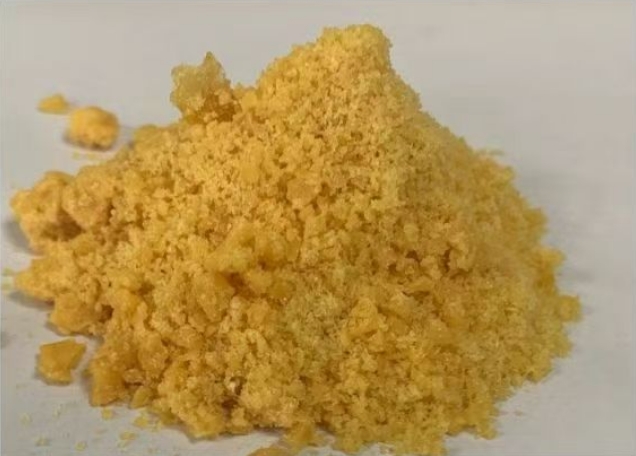
2) Composition of Egg Yolk Phospholipids (Egg Yolk Lecithin)
Egg yolk solids contain about 35% fat, including about 37% phospholipids, mainly phosphatidylcholine and phosphatidylethanolamine, and a small amount of sphingomyelin, phosphatidylinositol, lysophosphatidylcholine, lysophosphatidylethanolamine, etc.
Composition | Mass Fraction Range (%) | |
Phosphatidylcholine | 68-73 | |
Phosphatidylethanolamine | 15-20 | |
Phosphatidylinositol | 0.5-1 | |
Phosphatidylserine | 2-3 | |
Lysophosphatidylcholine | 3-6 | |
Lysophosphatidylethanolamine | 1-3 | |
Sphingomyelin | 2-3 | |
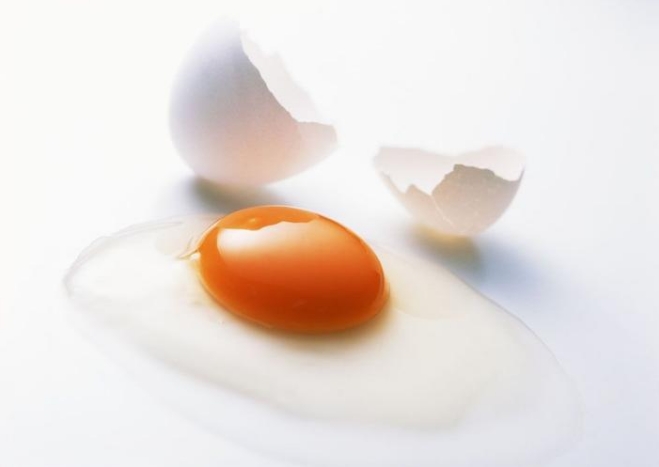
3) Fatty Acid Composition of Soybean Phospholipids (Soya Lecithin) and Egg Yolk Phospholipids (Egg Yolk Lecithin)
Fatty Acid | Egg Yolk Phospholipid A | Egg Yolk Phospholipid B | Soybean Phospholipid |
Myristic Acid (C14:0) | 0.23% | 0.14% | 0.90% |
Palmitic Acid (C16:0) | 26.85% | 26.58% | 15.35% |
Palmitoleic Acid (C16:1) | 1.80% | 0.87% | 0.11% |
Heptadecanoic Acid (C17:0) | 0.18% | 0.31% | - |
Heptadecaenoic Acid (C17:1) | 0.09% | 0.15% | - |
Stearic Acid (C18:0) | 11.94% | 16.79% | - |
Oleic Acid (C18:1) | 35.17% | 26.11% | 17.86% |
Linoleic Acid (C18:2) | 14.19% | 15.61% | 54.84% |
Linolenic Acid (C18:3) | 0.22% | 0.12% | 6.31% |
Arachidonic Acid (C22:4) | 3.73% | 6.03% | - |
Docosatetraenoic Acid (C22:4) | 0.89% | 1.43% | - |
Docosahexaenoic Acid (C22:6) | 1.11% | 3.54% | - |
Others | 4.76% | 2.32% | 0.86% |
**Egg Yolk Phospholipid A is 60% PC content, while Egg Yolk Phospholipid B is 95%.
The pure phospholipid is a colorless and odorless white waxy solid, which crystallizes at low temperature. Phospholipids are not resistant to high temperature, turn brown at 80 ℃, decompose at 120 ℃, and form black precipitates at 280 ℃. Phospholipids are extremely unstable in air and sunlight and are prone to browning reaction, which is caused by a large number of unsaturated fatty acids in the molecule being oxidized by oxygen in the air.
Phospholipids are easily soluble in chloroform, ether, petroleum ether, benzene, ethanol and other organic solvents, but not in water, acetone and methyl acetate.
Phospholipid molecules have both hydrophilic and hydrophobic properties. Phospholipids are surface active substances with HLB values of 9-10. They have a series of interface and colloidal properties. The content of each component in phospholipids has a certain impact on its emulsifying performance. For example, high PC content is conducive to the formation of O/W emulsion system, while high PI content is conducive to the formation of W/O emulsion system.
Phospholipids can hydrolyze with acids, bases and enzymes to obtain different products. Phospholipids contain unsaturated fatty acids, in which unsaturated bonds can undergo various addition reactions.